




Electronic Arts (EA) has executed a blockbuster acquisition, acquiring Monster Games in a deal that has set new financial benchmarks in the video game industry.
While the sum involved is jaw‑dropping, industry experts warn the deal may carry significant risks for creativity, studio autonomy, and long-term market health.
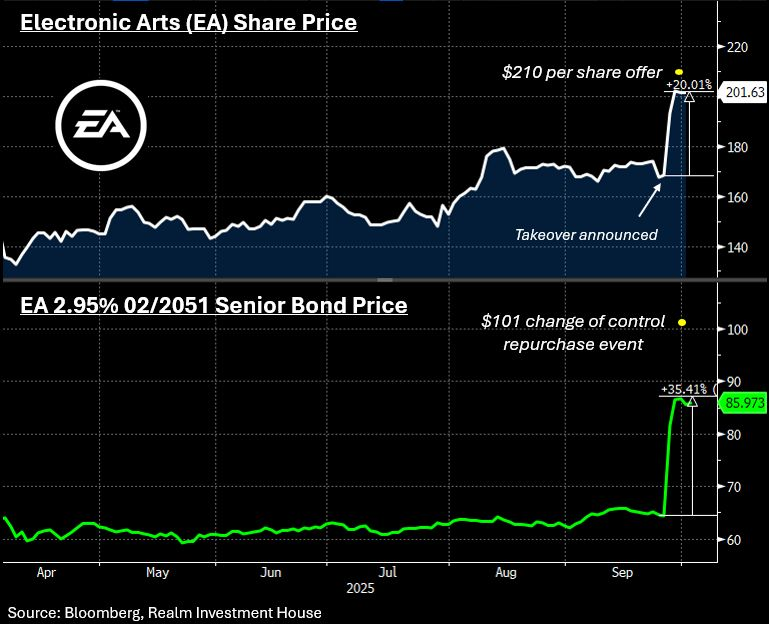
The acquisition valorizes Monster at a premium and draws attention to EA’s growing strategy of consolidating key development power under a single roof. By swallowing smaller studios, EA doesn’t just expand its portfolio — it extends control over IPs, talent pipelines, and platform leverage.
Critics are sounding alarms. One concern: smaller studios often lose autonomy following acquisitions. Budget targets, monetization pressures, and executive oversight can overwrite the original creative ethos.
Meanwhile, the financial structure of the buyout—likely involving debt or leveraged financing—raises red flags. If market conditions sour or development projects underperform, EA might resort to cost-cutting, studio closures, or cancellations of riskier projects.