


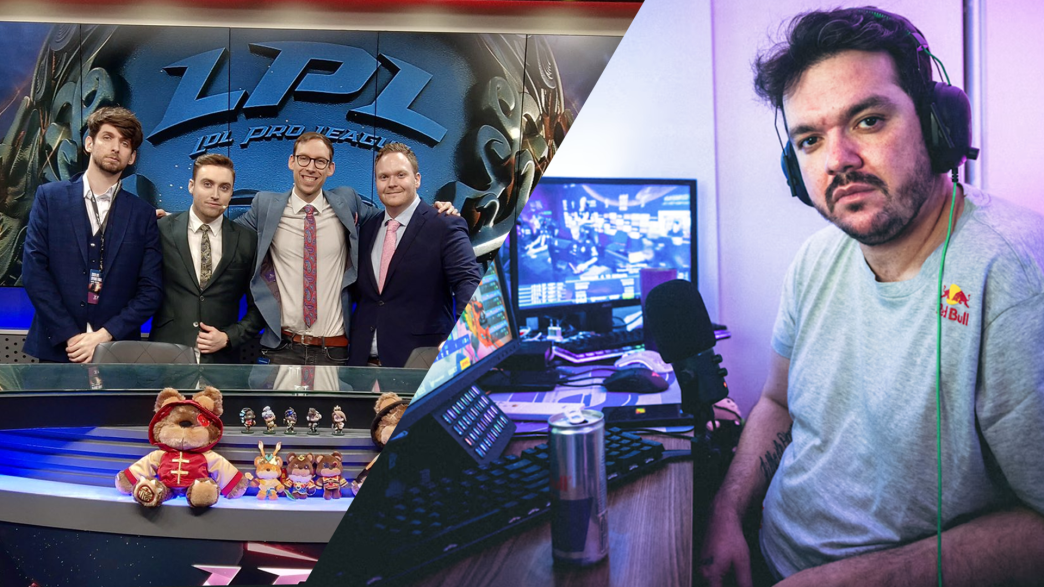
The esports landscape has changed dramatically over the past decade. While tournament organizers pump millions into production value, glossy graphics, and professional commentary, viewers are increasingly tuning into independent streamers instead.
In 2024, co-streaming accounted for 44% of all esports viewership – that’s 1.2B hours watched! Names like Gaules, Ibai, ODPixel, Anomaly and Caedrel pull numbers that make official broadcasts look empty.
This shift isn’t just a blip – it’s a fundamental realignment of how we consume competitive gaming. Let’s dig into why “orgless” studios and independent talent are crushing the traditional broadcast model.
How Orgless Studios Captured the Viewing Audience
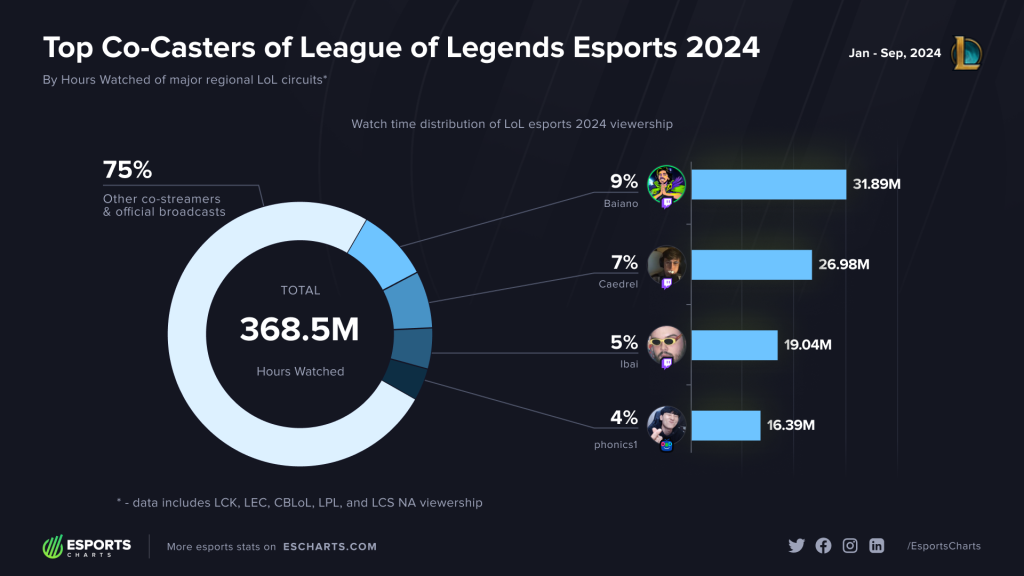
The numbers don’t lie. Of the total 368.5M Hours Watched generated by top-tier League of Legends events this year, 25% of this viewership came from only four broadcasters. That’s right – just four streamers commanded a quarter of LoL’s entire esports viewership.
Take Brazilian streamer Gaules, for example. His most popular Counter-Strike stream of the year drew over 180,000 concurrent viewers at the IEM Cologne 2024 final between Natus Vincere and Team Vitality. This isn’t some small-time operation – we’re talking about viewership that rivals traditional sports broadcasts.
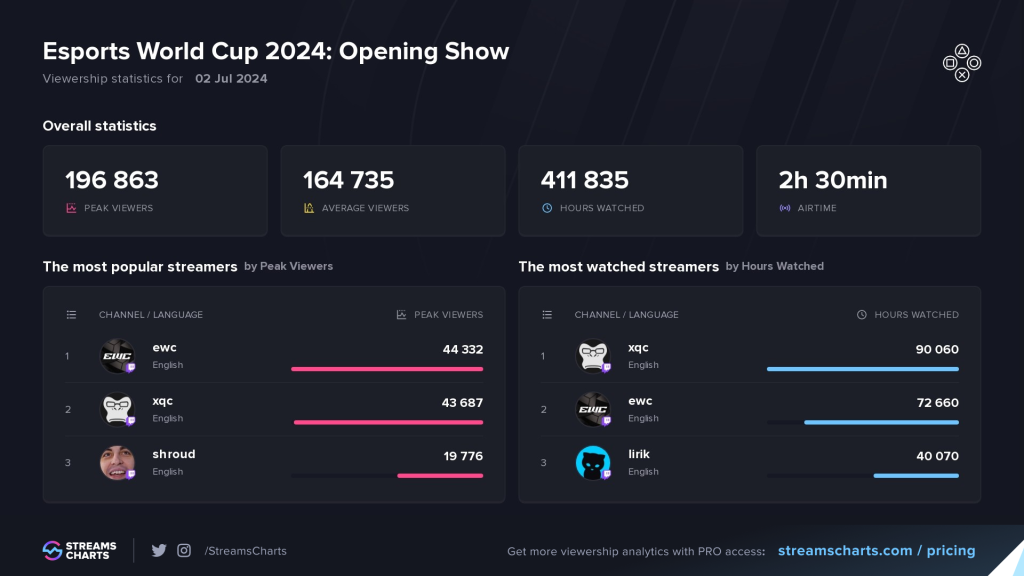
The Esports World Cup 2024 perfectly illustrates this trend. Among those names to co-cast the event, xQc was the most-watched channel, even beating the official EWC channel by 24%. When your independent streamers outperform your official broadcast by that margin, you know the game has changed.
Even regional leagues are feeling the impact. Baiano is the world’s most popular League of Legends community caster at the moment; the Brazilian creator is accountable for 9% of global League of Legends viewership this year, or 31.89M Hours Watched. That’s one person generating nearly a tenth of global viewership for one of the world’s biggest esports.
The trend extends across platforms too. TikTok’s total esports viewership was only a few tens of thousands of hours. But in the years that followed, that number exploded, and it reached nearly 200 million Hours Watched (HW) by 2024: an absolutely remarkable growth. New platforms are emerging, and they’re built around creator-first models from day one.
Why Fans Prefer Personality Over Production
Here’s what tournament organizers don’t get: viewers aren’t just watching for the gameplay. They’re watching for the experience, and independent streamers deliver that in spades.
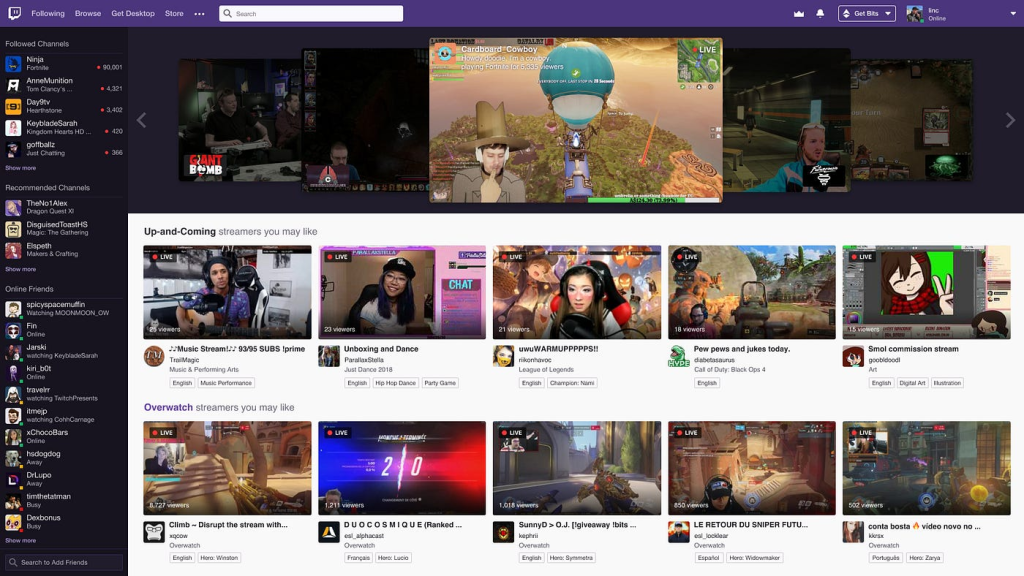
Official broadcasts feel like watching paint dry sometimes. They’re sanitized, corporate, and about as exciting as a quarterly earnings report. Meanwhile, streamers are out here losing their minds over clutch plays, roasting players in real-time, and creating actual entertainment.
Fans with fleeting attention spans pulled in by the rewards soon realised they could simply leave broadcasts open in the background for the prizes and go back to watching their favourite streamer instead. Tournament organizers tried to bribe viewers with drops and rewards, but people just multi-tab and go back to their favorite personalities.
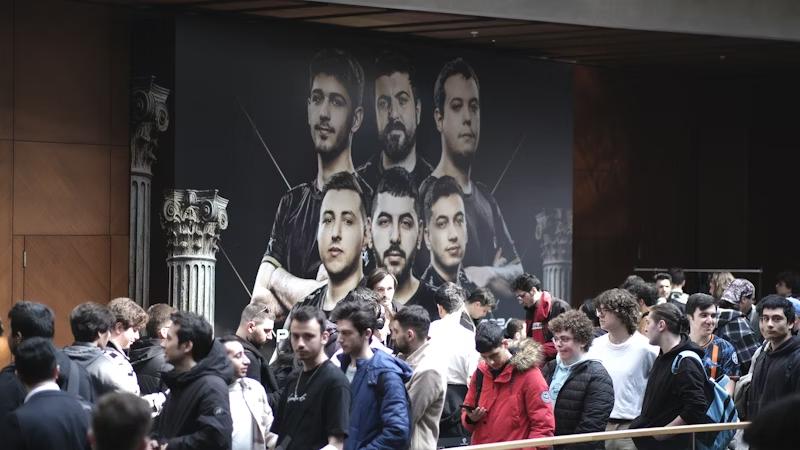
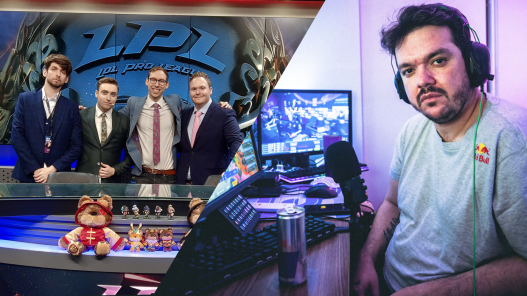
The connection is personal. When Caedrel streams LPL matches, he’s not just casting – he’s sharing inside knowledge from his pro career, breaking down plays with the insight only a former player can provide. After appearing on the desk at many of LoL premiere international events across the past few years, he decided to go full-time as a co-caster through his personal Twitch channel for 2024 and also partnered with Fnatic.
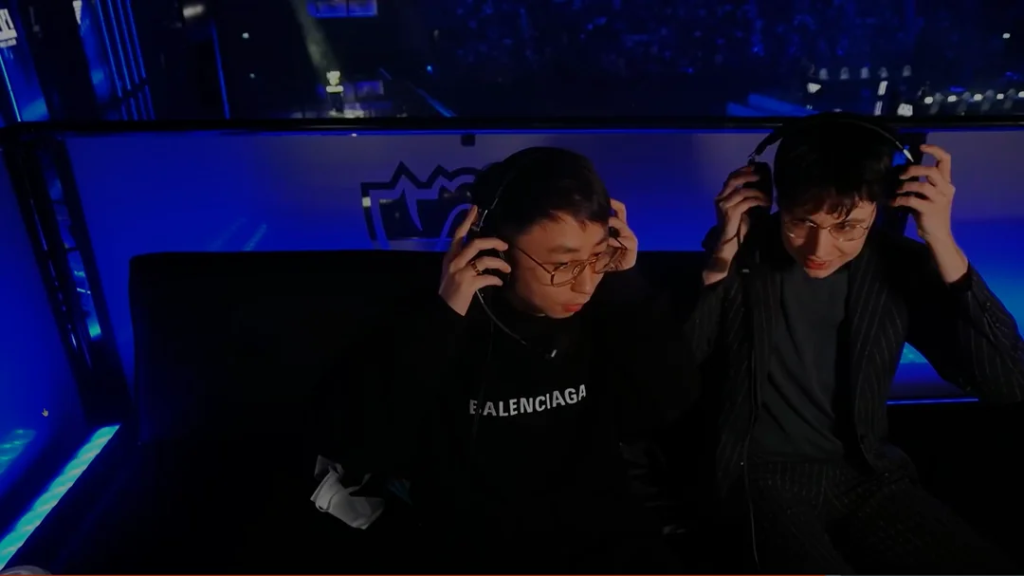
These streamers build communities, not audiences. Their viewers aren’t passive consumers – they’re active participants in chat, creating memes, and feeling like they’re part of something bigger. You can’t manufacture that in a production meeting.
The numbers back this up. User-generated content accounted for one third of eSports content viewership in 2023. That percentage has only grown since then, as we’ve seen from the 2024 data.
Creative Possibilities of Unorganized Streams
Official broadcasts are handcuffed by sponsors, broadcasting standards, and the need to appear “professional.” Independent streamers? They operate by one rule: be entertaining.
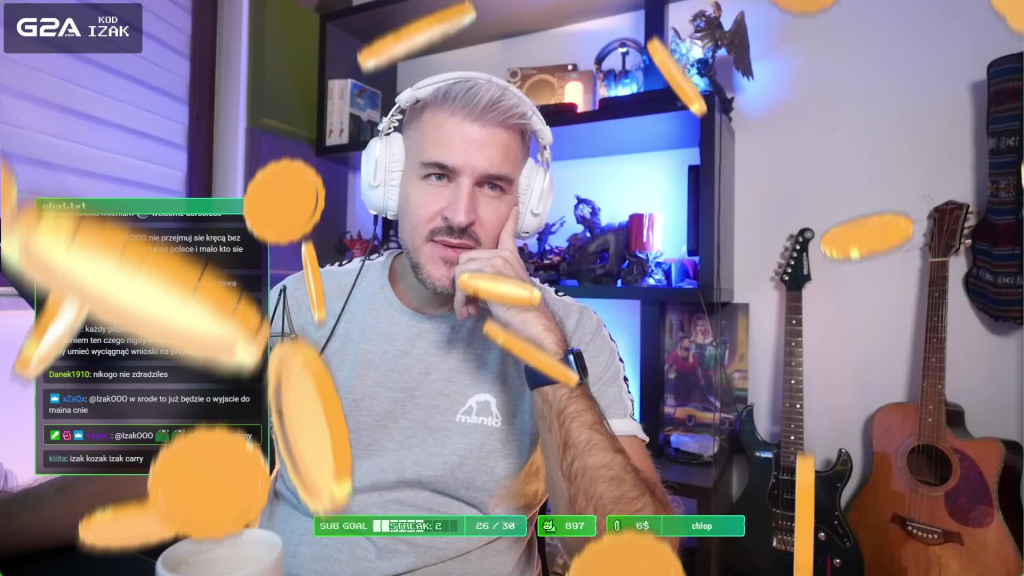
Take Polish streamer IzakOOO. Interestingly, Buster’s co-streaming efforts hit their peak viewership during the Intel Extreme Masters event. While the article mentions Buster here, the pattern is consistent across multiple streamers – they peak during major events because they offer something the official broadcast can’t: unfiltered reactions and genuine emotion.
The creative freedom shows in multiple ways:
- Language and humor: Streamers can swear, make edgy jokes, and speak naturally. No seven-second delay, no corporate HR breathing down their necks.
- Format flexibility: Want to pause mid-match to explain a complex strategy? Go for it. Feel like watching replays for 20 minutes? Your stream, your rules.
- Community integration: Streamers read donations, respond to chat, and create inside jokes with their community. Try doing that on an official broadcast.
In 2024, the LIVE section was also given a refreshed design, and perhaps more importantly, a dedicated esports section was introduced, separating it from general gaming content. Even platforms are recognizing that creator-driven content needs its own space and treatment.
The betting angle is huge too. Thanks to their affiliation with tournament-sponsoring betting companies, both streamers enjoyed the unique privilege of co-casting several events without a broadcast delay. While official broadcasts run on delay, some streamers broadcast live, creating a more immediate, exciting viewing experience.
What Official Channels Can Learn from Indie Streams
The writings on the wall, and tournament organizers need to read it. Added competition for engagement and attention should drive official broadcasts and studios to innovate their product and content, otherwise they risk being overtaken by the co-streamers themselves.
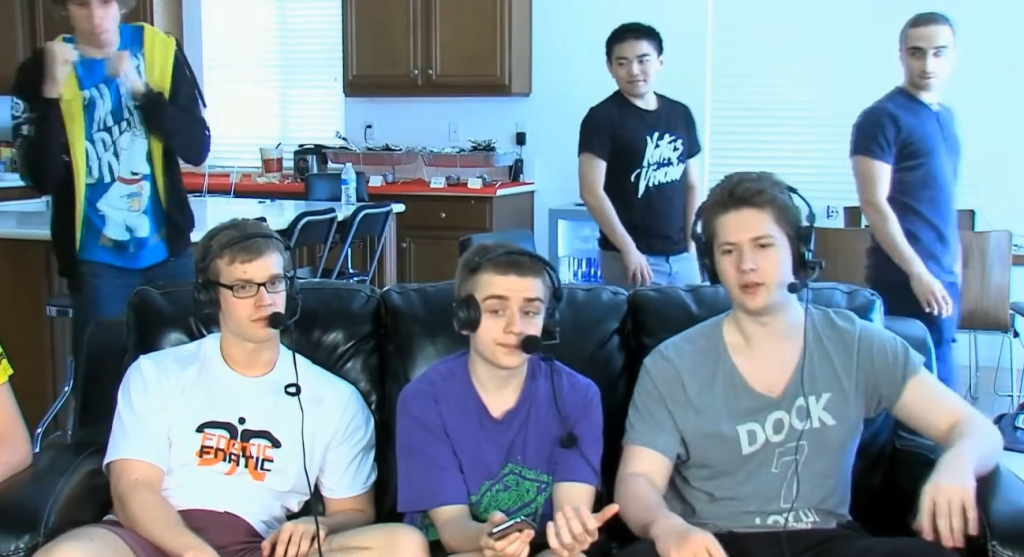
Here’s what official broadcasts should steal from the indie playbook:
- Embrace personality over polish. Stop hiring robots who speak in broadcast-ese. What made the event extra special for viewers was the presence of star LoL creator Tyler1, who recently became a father. People tune in for personalities, not production values.
- Create actual watch parties. In simpler terms, it’s a massive virtual watch-party. That’s what co-streaming is at its core. Official broadcasts need to capture that communal feeling instead of treating viewers like passive consumers.
- Regional relevance matters. Understanding how these casters are growing and operating on a regional basis may give us insights as to how they can affect the viewership of the upcoming world championship event. Cookie-cutter global broadcasts miss the mark.
- Stop fighting, start collaborating Most recently and most notably, Riot Games’ LEC announced ‘co-streaming partnerships’ with Team Heretics and KOI for the 2023 season. Smart tournament organizers are already partnering with popular streamers instead of competing against them.
- Technical innovation Multi-POV streams, instant replays controlled by viewers, integrated betting odds, real-time stats overlays – independent streamers are experimenting with features that official broadcasts haven’t even considered.
The Future: Hybrid Models and Creator-First Ecosystems
The future isn’t official broadcasts OR independent streamers – it’s both, working together in ways we’re just starting to explore.
Co-streaming has been a major force in esports this year, which underscores the need for innovation in the official broadcast space to keep audiences hooked. The smart money is on tournament organizers who recognize this shift and adapt accordingly.
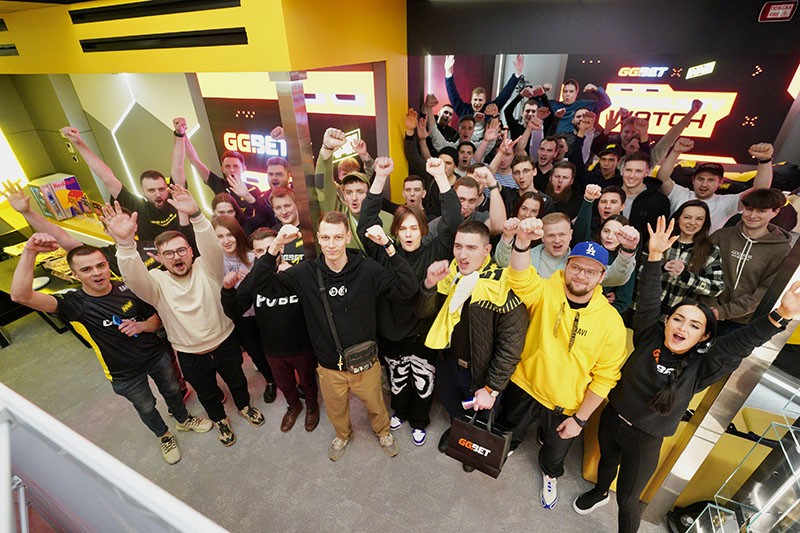
We’re already seeing the beginning of this evolution. The Esports World Cup, a bid by Saudi Arabia to become the centre of global esports events with a massive 22 tournaments over six weeks. The event heavily integrated content creators from the start, understanding that they’re not competition – they’re amplifiers.
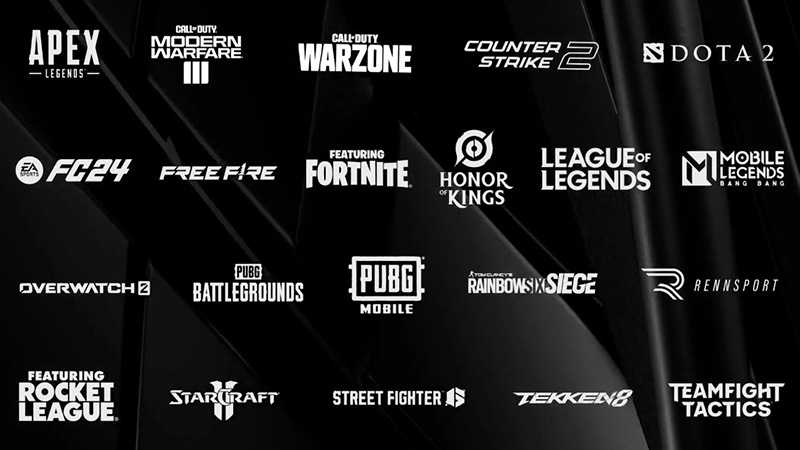
Mobile esports gets this intrinsically. Mobile esports watch time jumped by a massive 41% from 2023 to 2024, showing how rapidly the space is expanding. These ecosystems were built in the streaming age and never had to unlearn broadcast television habits.
The next evolution? Creator-owned tournaments. We’re already seeing hints with events like Ludwig’s chess boxing or Ibai’s La Velada. Ibai (91.4m watch hours) generated by far the highest peak viewership of 3.8m during the latest edition of his streamer boxing event, La Velada del Año 4. When streamers can pull those numbers for their own events, why couldn’t they run esports tournaments?
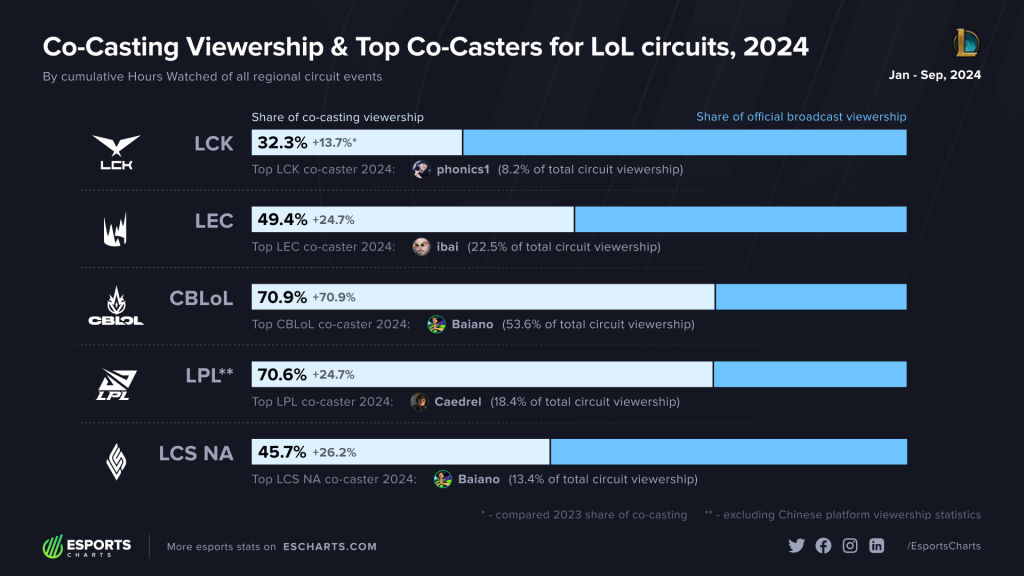
The traditional broadcast model isn’t dead, but it needs to evolve or risk irrelevance. Stream Hatchet noted that a total of 1.3bn watch hours, representing 45% of all esports viewership, could be attributed to co-streamers such as Gaules, Ibai and Caedrel. When nearly half your viewership comes from co-streamers, that’s not a trend – that’s the new reality.
The Orgless Revolution
The rise of “orgless” studios and independent streaming talent represents more than a shift in viewing habits – it’s a fundamental reimagining of how esports content gets created and consumed.
Tournament organizers have a choice. They can keep producing sterile broadcasts for an increasingly small audience, or they can embrace the chaos, partner with creators, and build something that actually serves modern viewers. The streamers aren’t waiting for permission – they’re already winning.
The revolution won’t be broadcast. It’ll be streamed by some guy in his bedroom, and it’ll pull more viewers than your million-dollar production ever could. That’s not a bug – that’s the feature.