


In esports, success is measured not just in trophies, but in the journey itself. Team Vitality’s path from a small Parisian startup to a two-time Major champion is a story of ambition, adaptation, and the courage to bet on potential. This is how a French organization challenged the status quo and rewrote their destiny.
THE FRENCH AMBITION
Paris, 2013. While Scandinavian teams dominated Counter-Strike and North American organizations set industry standards, Fabien “Neo” Devide saw opportunity where others saw obstacles. The French esports scene had talent but lacked the infrastructure to compete globally.
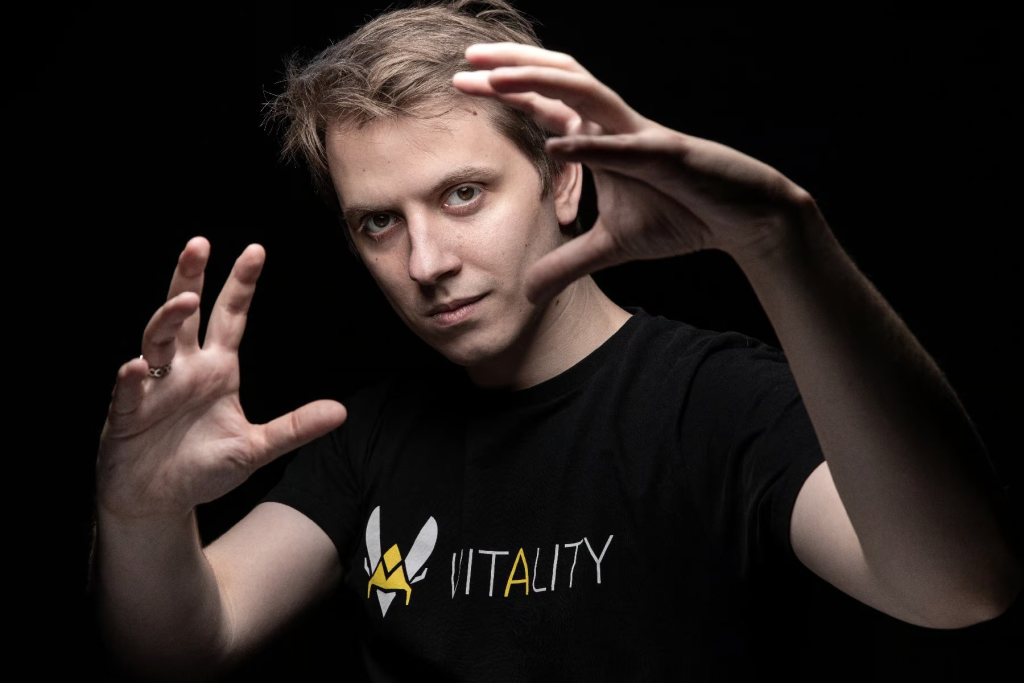
Team Vitality wasn’t born from success – it emerged from frustration with mediocrity. The name itself carried weight: vitality, life force, the energy needed to transform French esports from regional curiosity to international competitor.
By 2015, the organization was bleeding money. Sponsors were scarce. When they finally entered CS:GO, signing names like NBK and kennyS, it felt like a last desperate gamble. These weren’t the superstar signings they seemed – NBK was coming off a team collapse, and kennyS was searching for form.
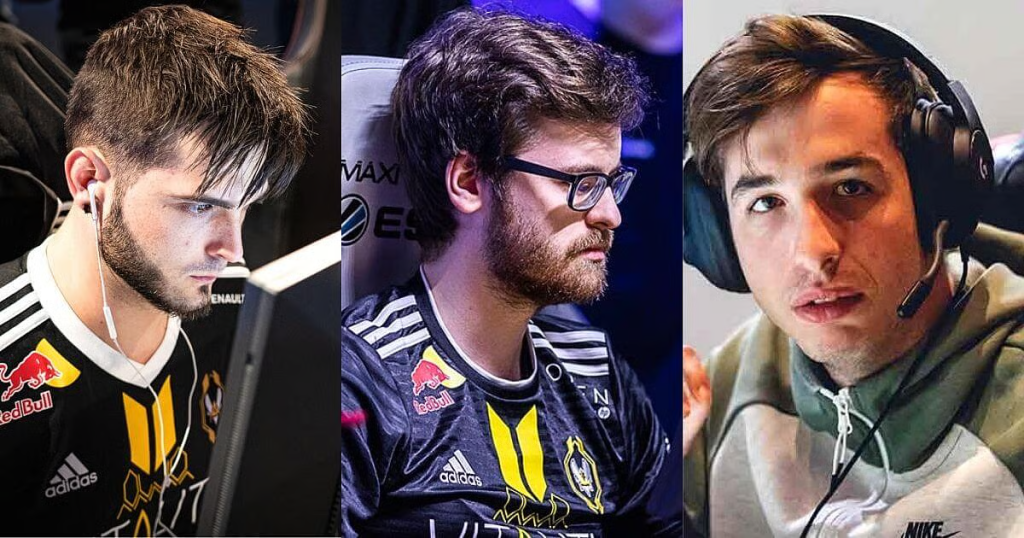
They understood that Vitality offered something different – a chance to build rather than just play.
By 2018, the foundation was set. The organization had learned from failures, adapted to setbacks, and most importantly, developed an eye for potential that others missed. They were ready for their next gamble. But behind closed doors, Neo questioned almost everything.
ZYWOO REVELATION
Every transformative decision looks obvious in hindsight. In October 2018, signing an 18-year-old from the amateur scene seemed risky. Mathieu “ZywOo” Herbaut had impressive online statistics, but the gap between amateur success and professional excellence had swallowed countless prospects.
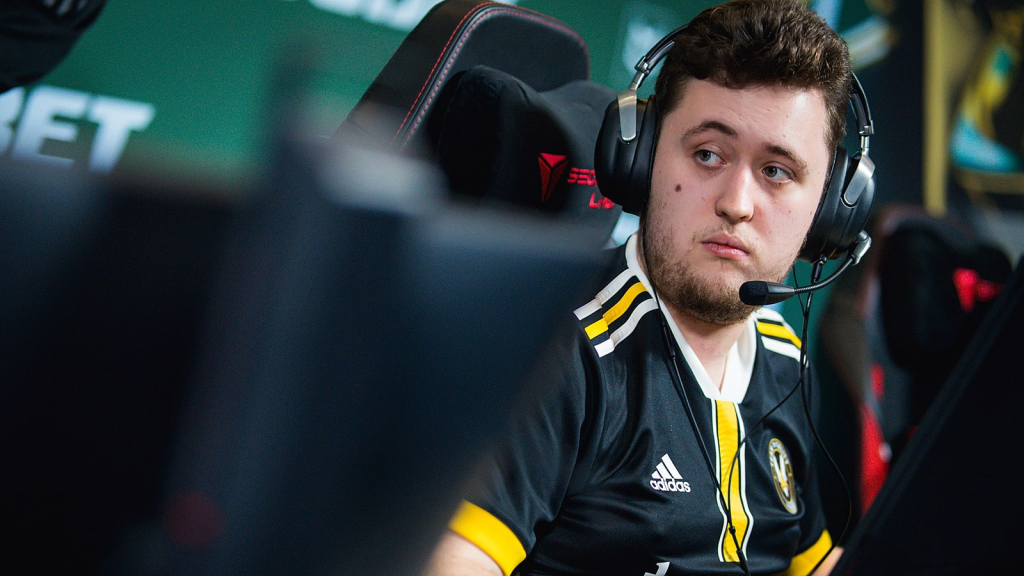
The integration wasn’t seamless. The first LANs were rough. ZywOo’s hands shook during crucial rounds. Communication barriers existed – ZywOo’s limited English clashed with international ambitions. Dan “apEX” Madesclaire, the emotional veteran, faced his own challenges. At 25, whispers about his age had already started. Was his aggressive, instinctive style becoming obsolete?
But something special happened when experience met raw talent. ApEX didn’t resist the change – he evolved. The veteran learned to create space for the prodigy. ZywOo gained confidence from apEX’s leadership. They weren’t just teammates; they became complementary forces.
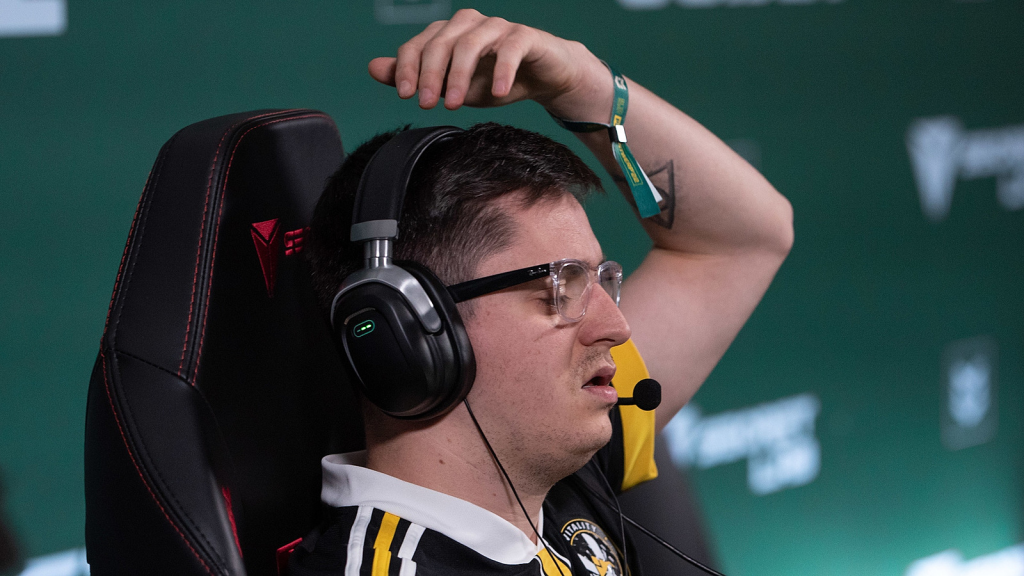
The breakthrough came gradually, then suddenly. DreamHack Atlanta showcased ZywOo’s potential. ESL Pro League proved consistency. By the end of 2019, the amateur was rated the world’s best player. The gamble had paid off spectacularly.
Yet success brought new pressures. Could they maintain this level? Would apEX, now approaching 27, keep pace with CS:GO’s youth movement? And what about Rémy “XTQZZZ” Quoniam, the coach whose tactical approach faced constant scrutiny?
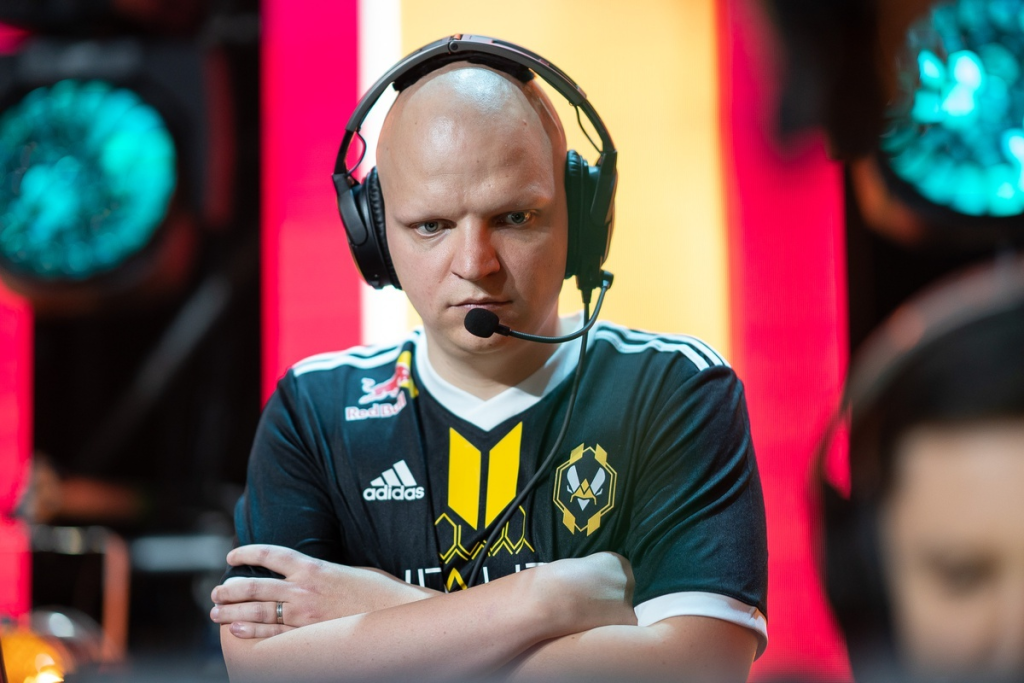
Early tournaments exposed his limitations. Vitality’s T-sides were predictable. Their map pool was shallow. When Plan A failed – usually “let ZywOo carry” – there was rarely a Plan B.
Meanwhile, Vitality’s expansion into other games was hemorrhaging money. Their League of Legends team, despite the massive investment, finished 9th in their first split. The 10.5 million euro franchise spot looked like a catastrophic miscalculation.
EXPANSION AND EVOLUTION
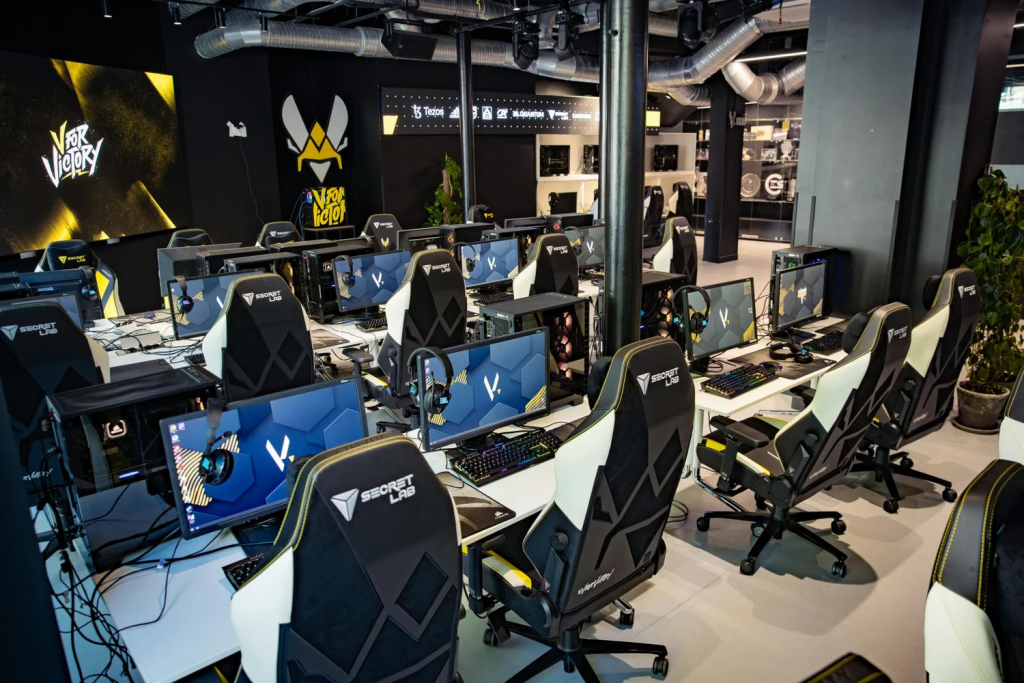
Vitality’s ambitions extended beyond Counter-Strike. But team had learned patience from their CS:GO journey. They rebuilt, adapted, invested in infrastructure. The V.Hive facility opened in 2019 – not just a gaming house but a performance center that rivaled traditional sports complexes.
The expansion philosophy mirrored their CS:GO approach: find potential, develop talent, build culture. Rocket League brought early dominance. Fortnite captured the battle royale audience. Each new venture carried risk, but also opportunity.
If 2019 ended with promise, 2020 brought reality crashing down. When COVID-19 forced esports online, Vitality discovered that their carefully built advantages – the V.Hive facility, team chemistry, home crowd energy – suddenly meant nothing.

The online era exposed cracks. Without LAN pressure to unite them, individual frustrations surfaced. RPK, the veteran rock, retired in October 2020. His replacement, Nivera, showed flashes of brilliance but never found consistency. The six-man roster experiment confused more than it clarified.
2021 brought desperate changes. Shox returned – a nostalgic move that felt like grasping at past glory. The French superteam dream crumbled within months. Kyojin came and went. Misutaaa struggled to find his role. Meanwhile, ZywOo’s individual brilliance masked deeper tactical stagnation.
The numbers told the story: from championship contenders to barely scraping top-10 finishes. While teams like NAVI and Gambit thrived online, Vitality seemed lost. XTQZZZ’s coaching faced its harshest criticism yet. Forums buzzed with one question: was ZywOo wasting his prime years?
The international roster decision in late 2021 marked a philosophical shift. Bringing in Magisk and dupreeh meant abandoning the French core identity. For an organization built on national pride, this felt like admission of failure. Yet it also showed maturity – choosing performance over patriotism.
2022 started rough. Communication issues, role conflicts, and the weight of expectations created a toxic mix. The Copenhagen Major saw them bomb out in the Legends stage. ApEX, now 29, looked exhausted. Retirement rumors intensified. Even ZywOo showed signs of burnout, his stats dipping for the first time.
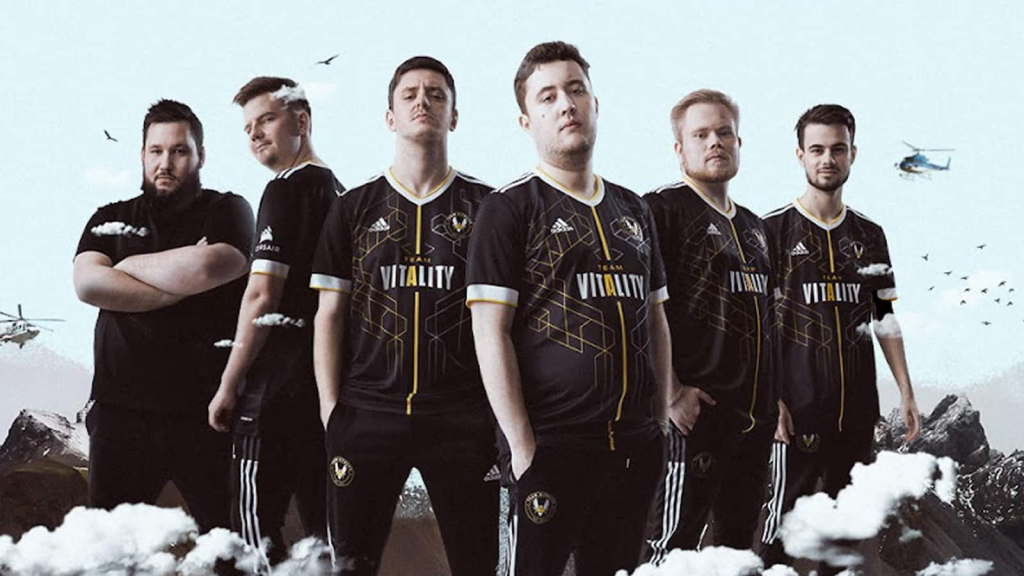
But somewhere in that struggle, something shifted. The addition of Spinx brought stability. XTQZZZ finally found tactical coherence. Most importantly, apEX transformed from emotional liability to genuine leader. His age became wisdom rather than weakness.
By late 2022, glimpses of the future emerged. Tournament wins returned. The team that entered 2023 bore little resemblance to the one that stumbled through COVID. They’d been forged in failure, united by adversity. The wilderness years hadn’t broken them – they’d created the foundation for what came next.
THE MAJOR BREAKTHROUGH
Paris, May 2023. The BLAST.tv Paris Major represented everything – home soil, global spotlight, ultimate validation. For apEX, now 30, it carried extra weight. The age questions had persisted for years. Could he still compete at the highest level?
The tournament was a rollercoaster. Close maps. Overtime heartbreaks. XTQZZZ’s coaching seemed to finally click, but critics noted they were largely out-aiming opponents rather than out-thinking them.
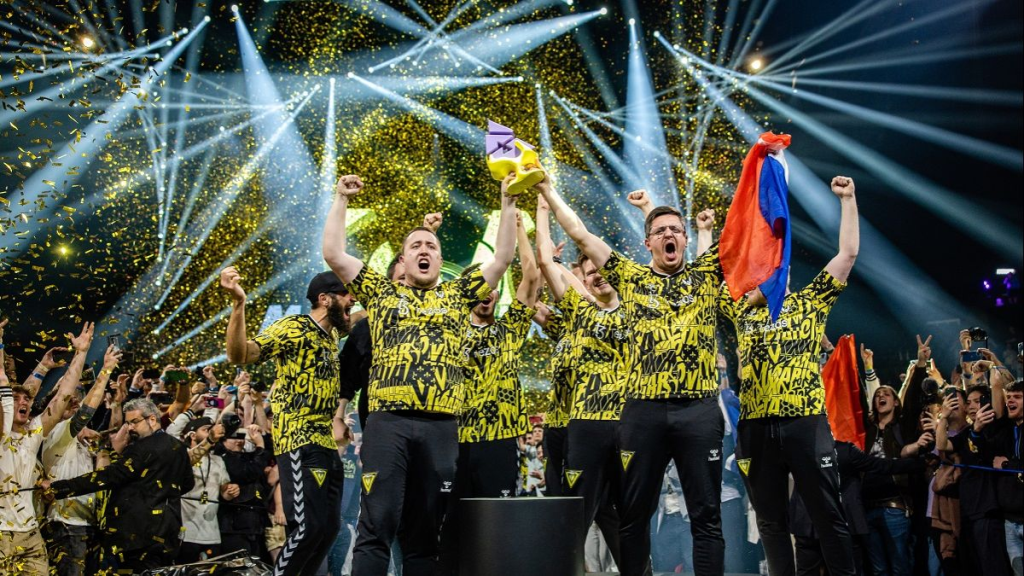
When Vitality lifted the trophy, the emotion was genuine. ApEX’s tears weren’t just about winning – they were about proving that experience and passion could still triumph. The “too old” narrative suddenly seemed irrelevant.
The period after the victory in Paris and until 2025 was extremely difficult for Team Vitality. The team was losing its performance and could not compete with others on a consistent basis. Faze was gaining momentum, Navi almost completely changed their lineup and adapted, Spirit shone perhaps the brightest with their new star, Donk.
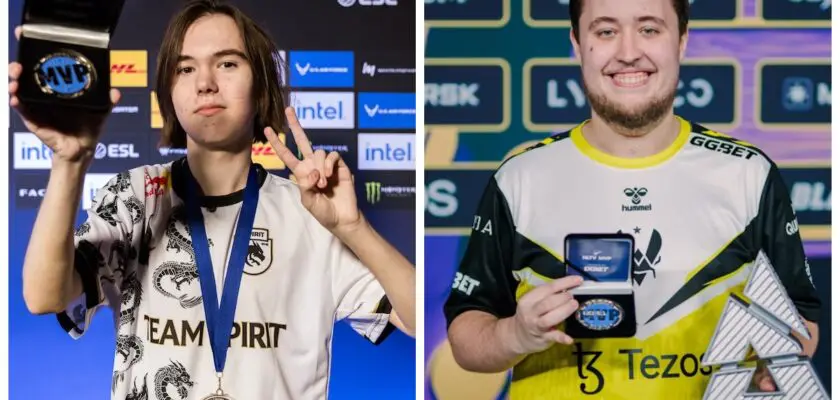
But since 2025, it seems that something is waiting for us. That here they are, we see Zywoo’s form, we see Apex’s perseverance and Maisie’s efforts with Rops and Flamez. And we were right.
Austin came next. Another Major, another test. The preparation was intense, the pressure immense. Health concerns affected some players. Consistency issues plagued others. Yet they persevered, drawing on the resilience built over years.
The second Major victory felt different – not just validation but confirmation. This wasn’t luck or a single star carrying. This was a team that had learned how to win, how to handle pressure, how to support each other through difficulties.
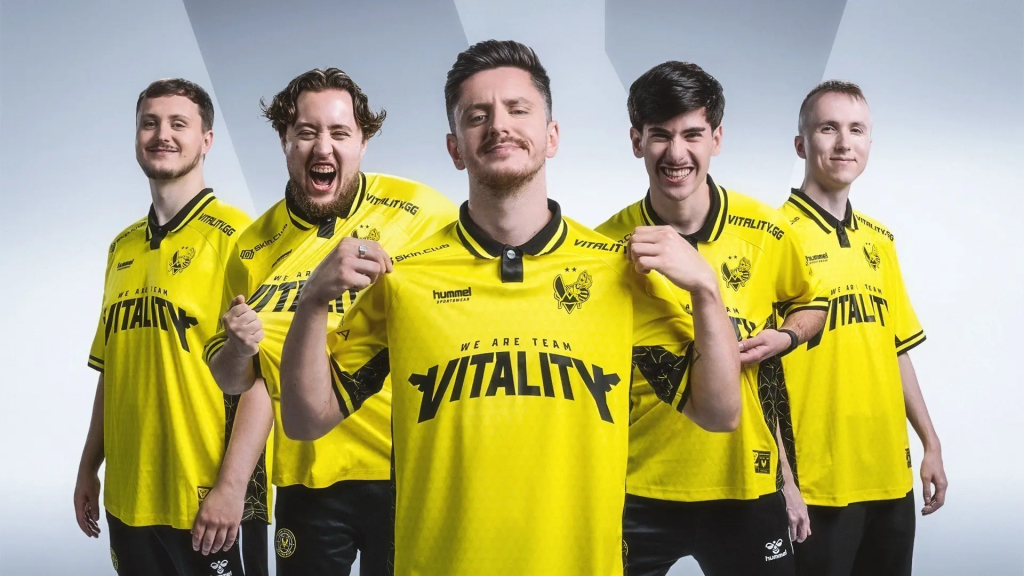
Despite the almost absolute hate from the audience, especially towards Apex, Vitality played a very good game. Their previous victories predicted that this season would be under their rule. And the victory at the Major in Austin only confirmed it.
Did this completely eliminate the questions about the team as a whole? It’s hard to say yet, it will be clearer when we see if the team will be able to keep this form over the distance.
It is then that we will understand whether this is a short-lived euphoria, or perhaps we can see a full-fledged Vitality era, as it was with Astralis or NAVI.
THE ONGOING JOURNEY
Today, Team Vitality stands among esports’ elite organizations. Two Major championships headline their achievements, but the trophy cabinet tells only part of the story. This is an organization that transformed French esports, proved European teams could compete globally, and showed that building culture matters as much as buying talent.
The challenges continue. ApEX, now 31, still faces retirement speculation after difficult matches. He handles it with humor and determination, knowing that each event could be his last but playing like he has years ahead. XTQZZZ continues refining his approach, acknowledged now as a capable coach even if not universally acclaimed as the best.
ZywOo remains the cornerstone, but Vitality has become more than a one-player team. The organization’s strength lies in its ability to evolve – from roster changes to new game titles, from tactical approaches to business strategies.
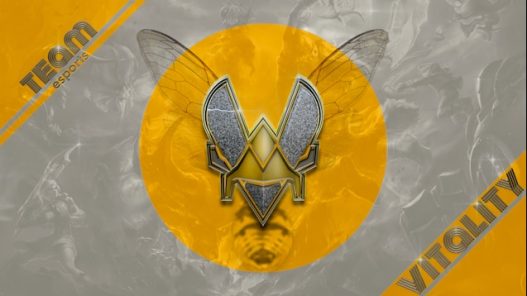
The bee logo represents more than a brand. It symbolizes collective effort, continuous work, and the understanding that individual brilliance must serve team success. The black and yellow jerseys are worn by players who understand both victory and defeat, who’ve experienced criticism and praise, who continue pushing forward because the journey matters as much as the destination.