


Esports has long since evolved from a little-known form of entertainment for young people into a globally renowned industry with serious prize money and competitions that attract millions of fans around the world.
Nowadays, these competitions are held in the most remote corners of the world, but Europe and the Middle East are increasingly becoming the true centre of esports, with the largest tournament operators hosting elite championships featuring the best players and teams.
The viewer is already accustomed to regular events in the heart of Europe from PGL, ESL, or BLAST. However, in the early 2010s, a completely different company held the brand of the flagship of esports tournaments, and the heart of virtual battles was not Cologne or Riyadh, but Kyiv.
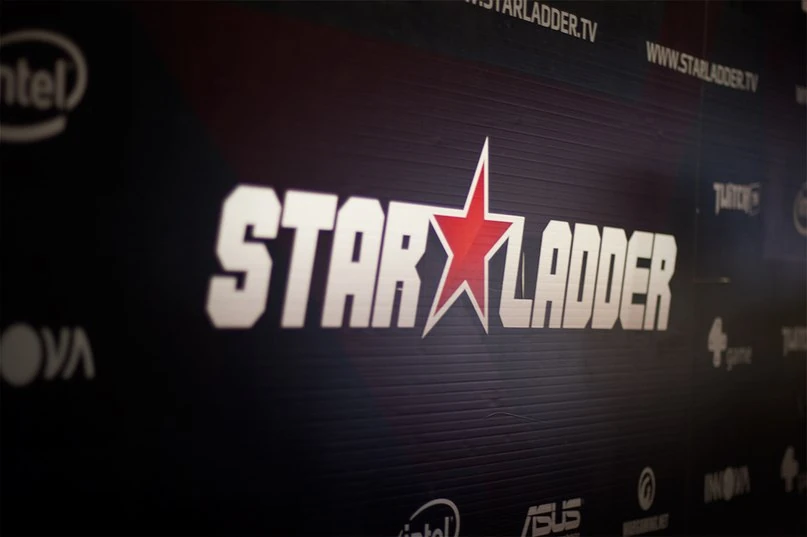
Today, we will talk about StarLadder studio, which has defined the look of modern esports events and their broadcasts and gained the love and recognition of thousands of fans.
The first steps of Starladder
The story of the legendary studio began with one man called Roman Romantsov. Roman himself organised and held similar competitions in his hometown of Donetsk back in 2001.

In the early 2010s, Roman moved his business to Kyiv. At that time, esports was just beginning to form its ecosystem. There were no established rules for competitions, no clear schedules, and even less lucrative sponsorship contracts, so international competitions were usually organised either by the game developers themselves or by large sponsors.
Everyone else could only rely on small local tournaments with local teams due to limited budgets and the unpopularity of the discipline.
The tournaments in Eastern Europe were more related to the second category. The scene of international battles has often been the capitals of European countries or cities in Asia. Roman Romantsov decided that this was not fair, to have a region where so many strong players were bypassing the world’s competitions, and he had a plan to change that.
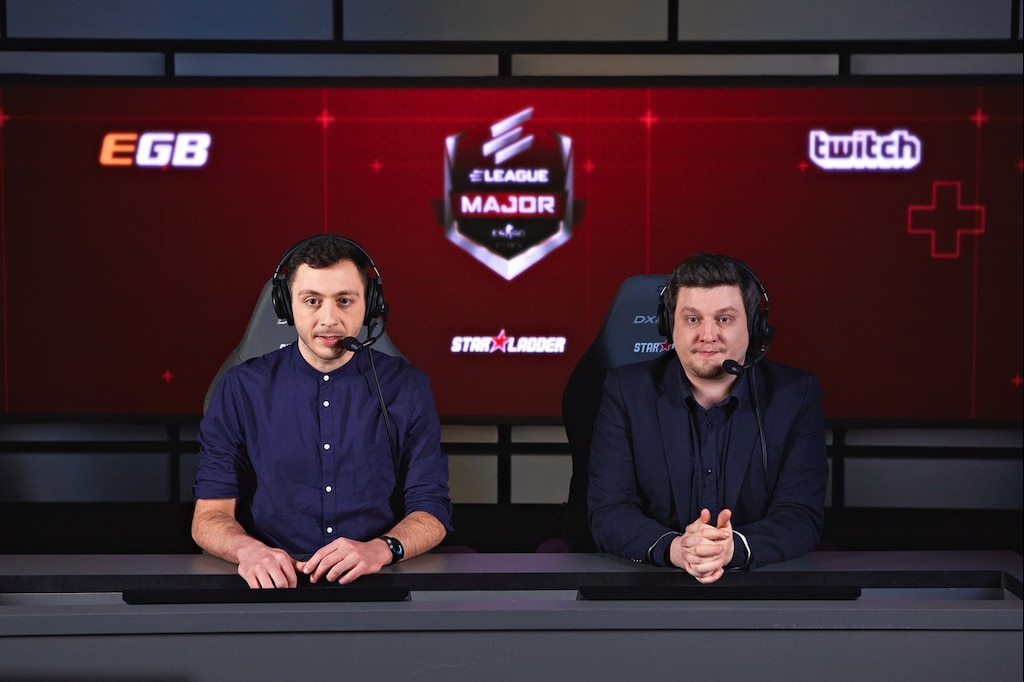
In 2011, the Starladder studio was born, aiming not only to organise major international tournaments in such disciplines as Counter-Strike, Dota 2, Point Blank and World of Tanks, but also to provide wide coverage of these tournaments through online broadcasts.
It’s worth noting that Roman’s idea was not only relevant and in high demand among the rapidly growing esports community, but it was also implemented at a very good time. It was in 2011 that a separate version of Dota 2 was released, with new graphics on a new engine, a new version of the legendary shooter CS:GO was announced, and a new real-time strategy competition from Blizzard, StarCraft II, was gaining popularity in the world, which meant that interest in watching matches in these disciplines grew significantly.
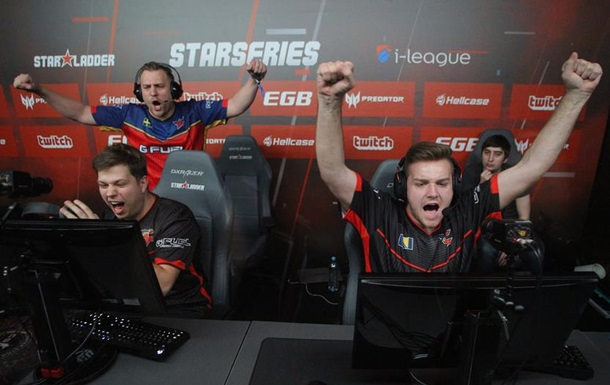
In 2011, a new streaming platform, Twitch, was launched, making it much easier for everyone to launch their broadcasts.
The status of the most popular competitive platform
And at this very moment, StarLadder is holding its debut LAN tournament in Eastern Europe for the new Dota 2 game – Dota 2 Star Championship, which became the first LAN tournament for the new game in Europe after the sensational The International in Cologne with a prize of one million dollars. The tournament had a modest prize of only $20,000, but for teams that had no chance to compete on the international stage, it was a chance to prove themselves against international giants.
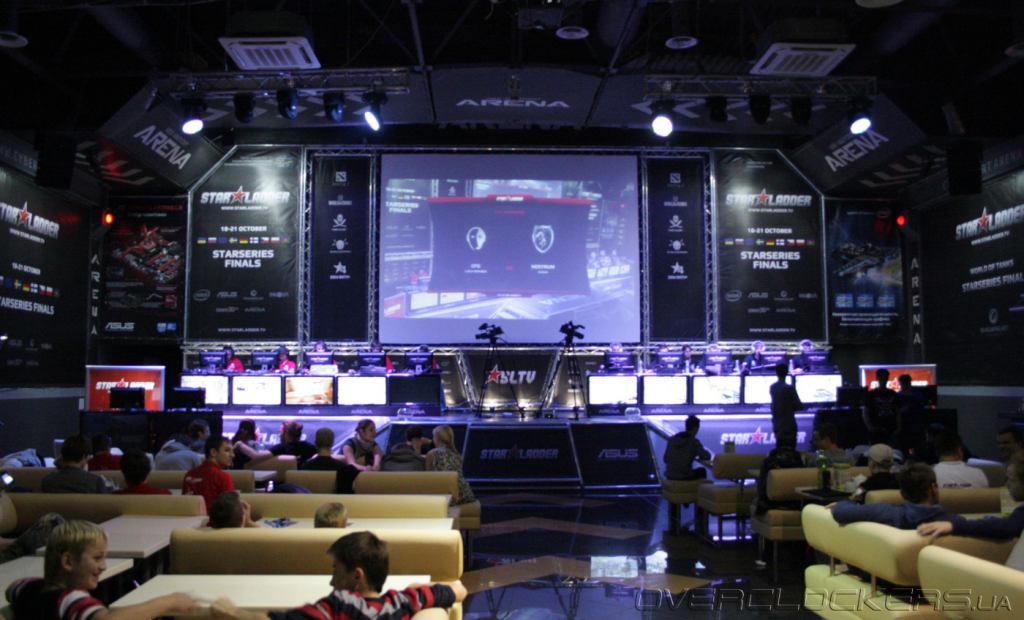
The tournament was hosted by the famous Kyiv Cyber Sport Arena computer club, which has since earned the status of the “Alma Mater” of eSports talent from Eastern Europe, and it was here that young talents made their way, future media commentary stars gained experience, and teams that would soon conquer the big stage were born and disbanded.
Already in 2012, a new esports platform for Starladder competitions was launched. Every 3 months, competitions were held in Dota 2, Point Blank, Bloodline Champions, and World of Tanks, and later in CS:GO. The peculiarity of such competitions was their division into 4 divisions: Amateur, Semi, Pro, and Star.
Everyone could register in the lowest division, and only the strongest teams in the world could compete in the Star division. All divisions were united by a common ranking system, and at the end of each season, the best teams in each division were promoted to the next, while the worst teams were relegated one step down.
Due to this, the popularity of Starladder tournaments skyrocketed, every student or just CS or Dota fans, gathered teams and competed with each other for entire days in the hope of getting on stage and measuring their strength against their idols.
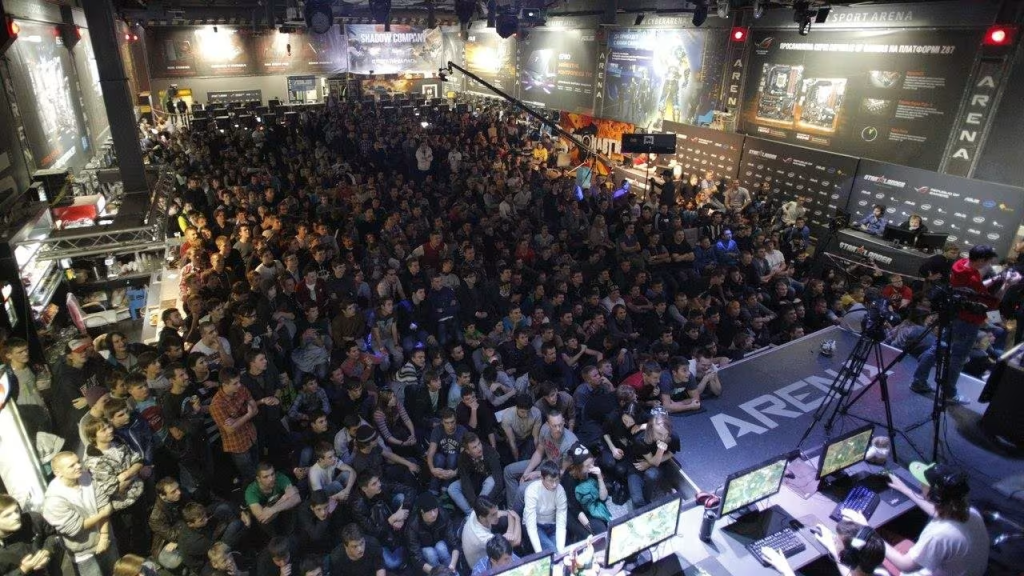
The final of each season of the division was held at the Kyiv Esports Arena, which became a big deal. The rather spacious pavilion became crowded when the recognised masters of Counter Strike NiP, lost in a tense series to local favourites.
In addition, the final day of the Counter-Strike season was accompanied by a show of 1-on-1 matches on laptops, where famous players competed with ordinary spectators. It was there that s1mple found its first fame.
After the first seasons, the most popular disciplines that attracted the most people were identified: Counter-Strike and Dota.
After the first four seasons, the CS and Dota tournaments were renamed StarLadder i-League StarSeries, where the prize pool was increased to $120 ,000 and the number of teams increased from only 8 to 12.
The Dota discipline even introduced separate viewing tickets and reward sets in the game itself, which allowed crowdfunding to almost double the tournament prize pool.
International LANs and Majors
After the first two seasons, in addition to the European divisions, Starladder started holding similar competitions in Asia and America, and now teams from all over the world came to Kyiv to compete for the main trophy.
The popularity continued to grow, and now, during the finals, computers and bar counters were taken out of the Kyiv Esports Arena to increase the number of seats, but still, there was no room to swing a cat every time.
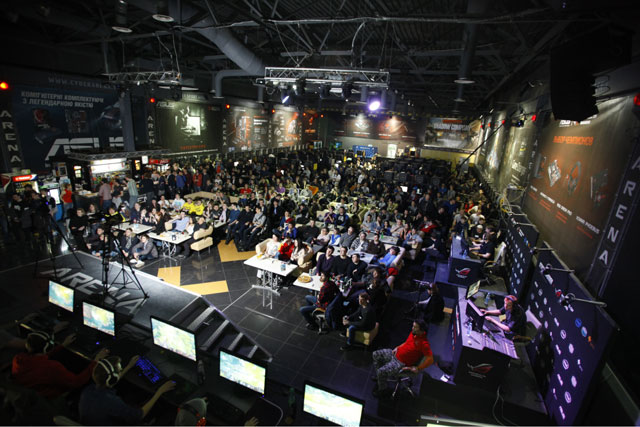
Broadcasting figures also grew: while the third season of Starladder was watched by only 55,000 people at its peak, the final of the seventh season was watched by more than 250,000 people at the same time. And the total number of unique viewers was more than 1.4 million.
With such an upsurge in demand, Romantsov realised that StarLadder had already outgrown the level of local tournaments and it was time to enter the global arena, so starting from the seventh season, the Counter Strike finals were held in Bucharest.
And in 2015, Starladder organised a Dota 2 LAN event in Minsk with a prize pool of more than $ 300,000. A year later, StarLadder will conquer America as well, hosting the StarLadder i-League StarSeries Season 2 at The Summit, where the world’s best teams will compete for $ 300,000.
The overwhelming success and positive feedback from players proved that StarLadder is ready to break into the big game and Valve themselves paid attention to them and entrusted them with the hosting of competitions under their auspices in both disciplines.
In 2017, StarLadder announced a partnership with the Chinese tournament operator ImbaTV and together they organised a number of LAN events in China, including minor events that became an official part of Valve’s DPC tournament season.
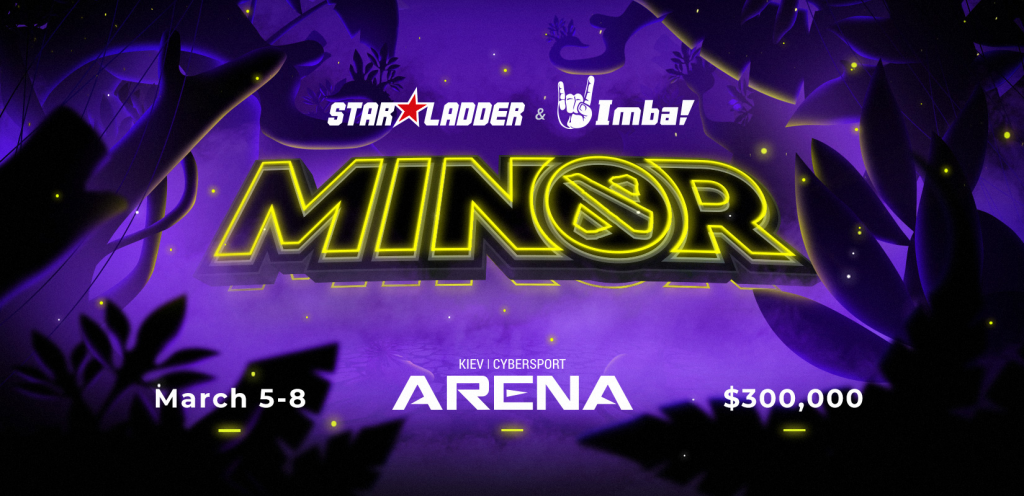
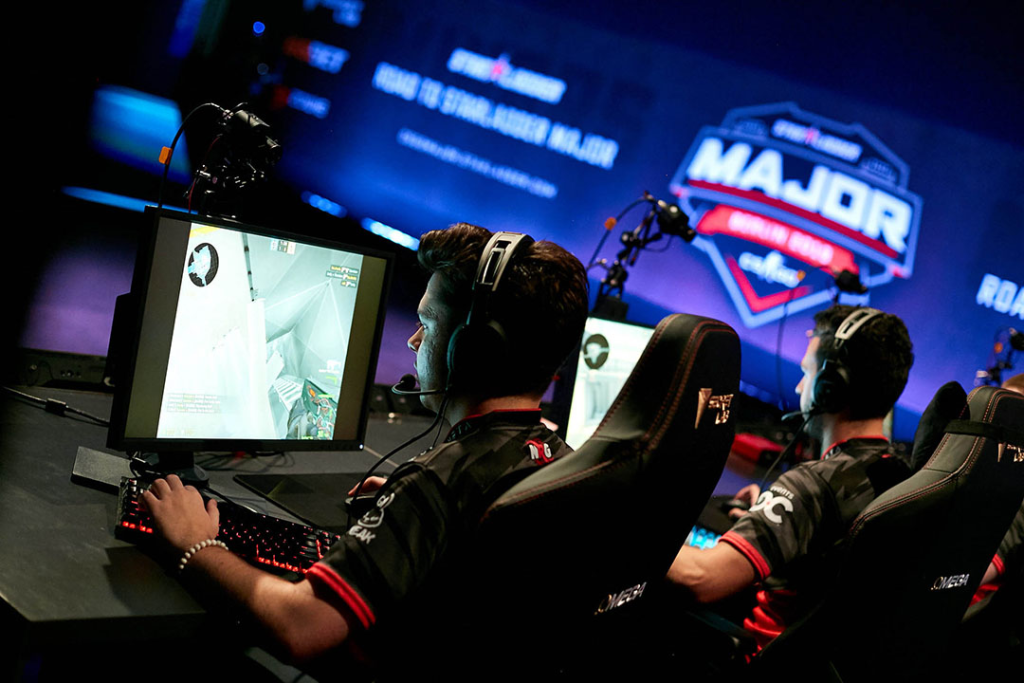
StarLadder reached the zenith of its fame in 2019, when it hosted majors in two of Valve’s leading disciplines: the Chongqing Major in China in early winter and the StarLadder Berlin Major in autumn. The Ukrainian studio was named by many as the best tournament operator due to the high level of organisation of the event itself and its broadcast.
COVID-19 and the beginning of the decline
However, the Berlin Major was the most striking, but also the last flare-up of StarLadder in the world of esports. After all, this major was the last one before the global coronavirus pandemic.
The following year, all live competitions switched to the online format. This was not a problem at all for StarLadder’s competitors, as they were able to organise regular online leagues with the best teams. But StarLadder, whose signature was LANs, had to put all its activities on hold.
Valve was in no hurry to adapt to the new conditions, and while other publishers did everything possible to make LAN tournaments in their disciplines return at the end of 2020, the first offline tournament sponsored by Valve took place only in 2021. During this time, StarLadder managed to hold online RMRs for the Stockholm major and several local tournaments, including the Ukrainian championship.
StarLadder got tired of waiting for Valve to make moves and completely switched to mobile gaming and PUBG disciplines, which had serious potential and were very popular in Asia.
However, it was clear that this was not the level to which the professionals were accustomed, and expenses continued to exceed earnings. Media talents left the studio one by one, and evil tongues were spreading rumours about the company’s serious debts.
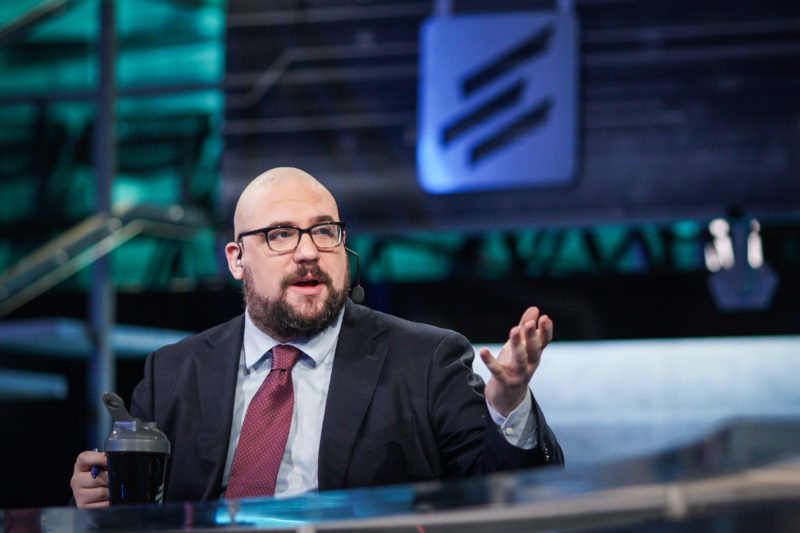
Back in 2019, English-speaking commentator Richard Lewis claimed that the company was not paying prize money to teams and salaries to commentators. Although these accusations were denied by the studio itself, as we know, there is no smoke without fire and many people confirmed that the studio was going through hard times and often delayed salaries.
The legendary battle arena for esports players for many years has not survived the coronavirus attack either. At the beginning of 2021, the Kyiv Esports Arena was closed for an indefinite renovation, and later the premises were leased to another contractor.
Nevertheless, the studio had plans to return to its original disciplines as the pandemic slowly eased. But these plans were not to come true due to Russia’s full-scale invasion of Ukraine. It was simply impossible to hold LAN tournaments under constant shelling.
Roman Romantsov is a man who never gave up, even in the face of the greatest difficulties. As a former employee of the studio, Konstantin Leniniw, recalls:
This is Roman Romantsov. StarLadder is like a child to him. Despite the company’s million-dollar turnover, he lived in a rented apartment until the last moment
Comeback to “The game”
For the next three years, the StarLadder studio disappeared from the radar of major tier-1events and seemed to have sunk into oblivion forever. But that was only how it appeared. In 2023, they began collaborating with the Dubai-based tournament operator Esports Management Group.
The Ukrainian studio helped organise tournaments in the Middle East for Valorant EMG LEAGUE 2023 and Counter Strike Global Esports Tour Dubai 2022. In addition, StarLadder continued to broadcast the European PUBG league.
And at the end of 2024, rumours surfaced that StarLadder was planning to hold four major for CS2 LAN events. However, the plans had to be adjusted because the dates of one of the tournaments coincided with Valve’s major in Texas.
A few months later, the global esports community was stirred by the news that the legendary StarLadder studio was acquired by the Indian company NODWIN Gaming for $5.5 million. Under the terms of the agreement, StarLadder retained its identity, while Roman himself retained his position and became an auctioneer for the owner company.
This deal sparked a lot of heated discussions about market monopolisation. After all, NODWIN has close ties with another major market player, ESL Faceit Group, as they own 1.11% of the shares in NODWIN’s parent company, Nazara Technologies, and a number of top managers at ESL who recently left the company have found new jobs at NODWIN.
And in May 2025, the studio announced its triumphant return, as one of the upcoming tournaments to be held by StarLadder will be the major in Bucharest in autumn 2025. StarLadder’s CEO commented on this:
From day one to the grand final, we are building something that fans will remember – both in the arena and those watching around the world
And these words clearly reflect the whole spirit of StarLadder, because they don’t just organise tournaments, they live and breathe esports, and therefore put their own identity and unique style into each event. This means that an unforgettable atmosphere is guaranteed for everyone. So let’s hope that this is just the first chapter in the Renaissance of the legendary.