




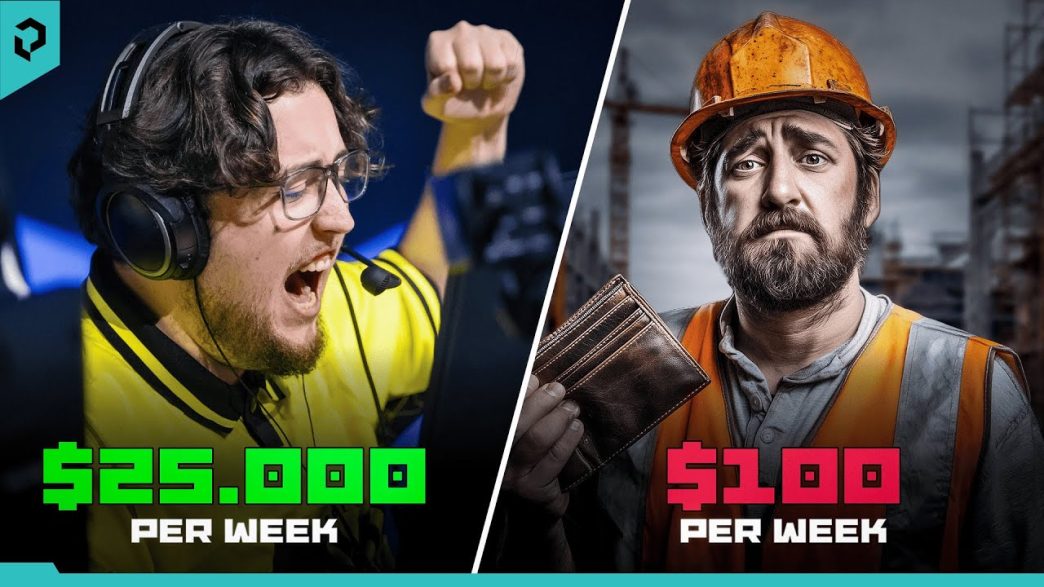
Million-dollar prize pools, celebrity lifestyles, brand deals with Nike and Red Bull! But here’s the question everyone’s asking: How much do esports pros actually make? And more importantly – how much do they keep? You might think we’re talking about Hollywood actors or NBA stars, but we’re not. We are talking about esportsmen, people who just play computer games!
Today we’re breaking down the real numbers behind professional gaming. From Tier-1 superstars to academy grinders, from prize money to taxes – this is the complete financial breakdown the esports industry doesn’t want you to see.
Salaries ain’t everything
Let’s start with base salaries – because contrary to popular belief, a few pros are making bank just from their monthly paycheck.
Tier-1 players in major regions like North America and Europe typically earn between $15,000 to $50,000 per month. That’s $180K to $600K annually. Sounds incredible, right? But here’s the catch – we’re talking about maybe 200-300 players worldwide at this level.
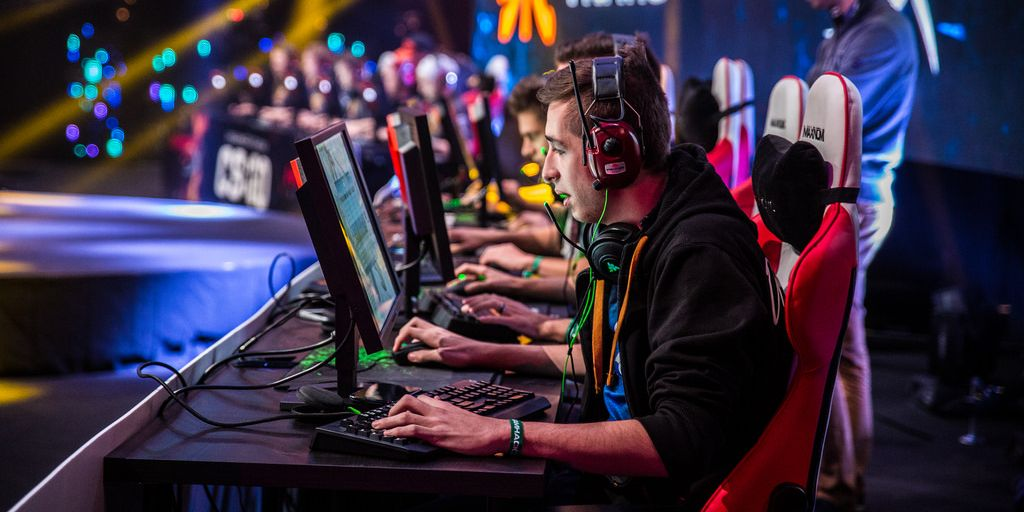
Tier-2 players – the majority of what you’d call ‘professional’ players – earn significantly less. We’re looking at $2,000 to $8,000 monthly, roughly $24K to $96K annually. Still good money, but not the lifestyle you see on social media.
Academy players? Many earn minimum wage or less – sometimes just $1,000 to $3,000 per month. Some are essentially paying to play through bootcamp fees and equipment costs.
- Counter-Strike 2: Top players earn $20K-40K monthly, but the scene is heavily concentrated in Europe where cost of living varies dramatically
- League of Legends: LCS and League of Legends EMEA Championship players average $15K-35K monthly, but LCS Korea and League of LPLcan go much higher due to massive investment
- Dota 2: More prize-pool dependent, salaries range from $5K-25K monthly, with many players gambling on TI success
- Valorant: Newest scene, salaries ranging $10K-30K monthly for top players, but the tier 2 scene is still developing.
But what about the absolute legends
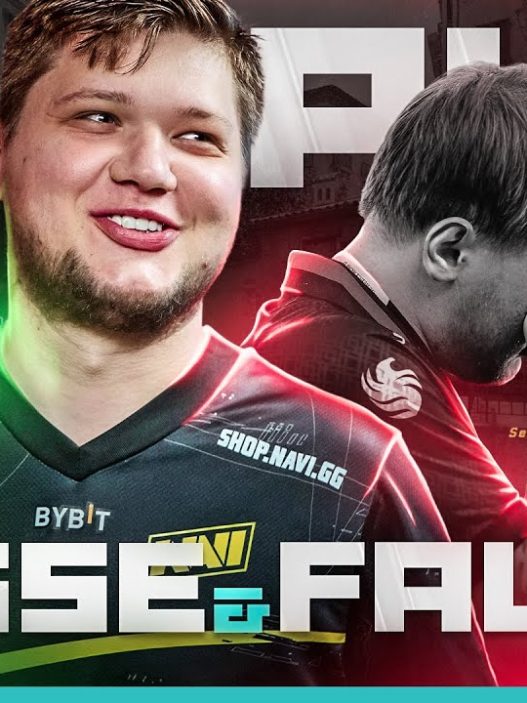
s1mple (Oleksandr Kostyliev)
Reports suggest s1mple’s contract with NAVI is worth $50K-80K monthly, plus performance bonuses that can double that during major wins. Add his streaming revenue, Puma partnership, and Logitech deals – we’re looking at $1.5-2 million annually. His buyout clause? Rumored to be over $2 million. And what are we even talking about when his monthly rent to the Falcons alone was about $1 million.

NiKo (Nikola Kovač)
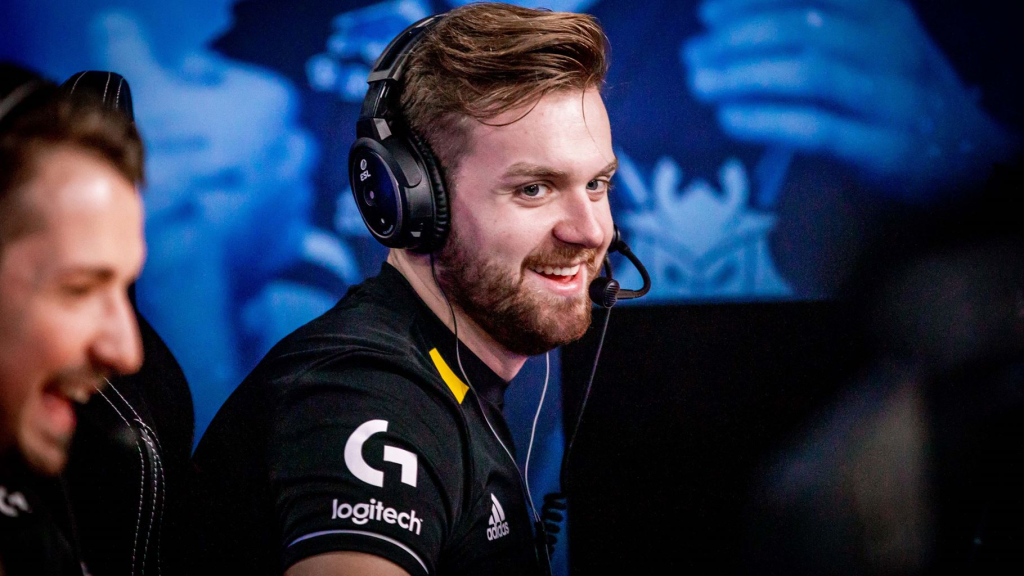
NiKo’s G2 contract reportedly includes $40K-60K base monthly, but here’s the kicker -he negotiated revenue sharing from G2’s content featuring him. With Red Bull sponsorship, Logitech deals, and his massive social media presence, his total package likely exceeds $1.2 million yearly. We can’t say anything about Falcons yet.
Faker (Lee Sang-Hyeok)
The GOAT gets GOAT money. Faker’s lifetime contract with T1 includes equity in the organization, estimated base salary of $2.5 million annually, plus revenue from his personal brand partnerships with Nike, Red Bull, and BMW. Industry insiders estimate his total package at $4-6 million yearly – making him potentially the highest-paid esports player ever.
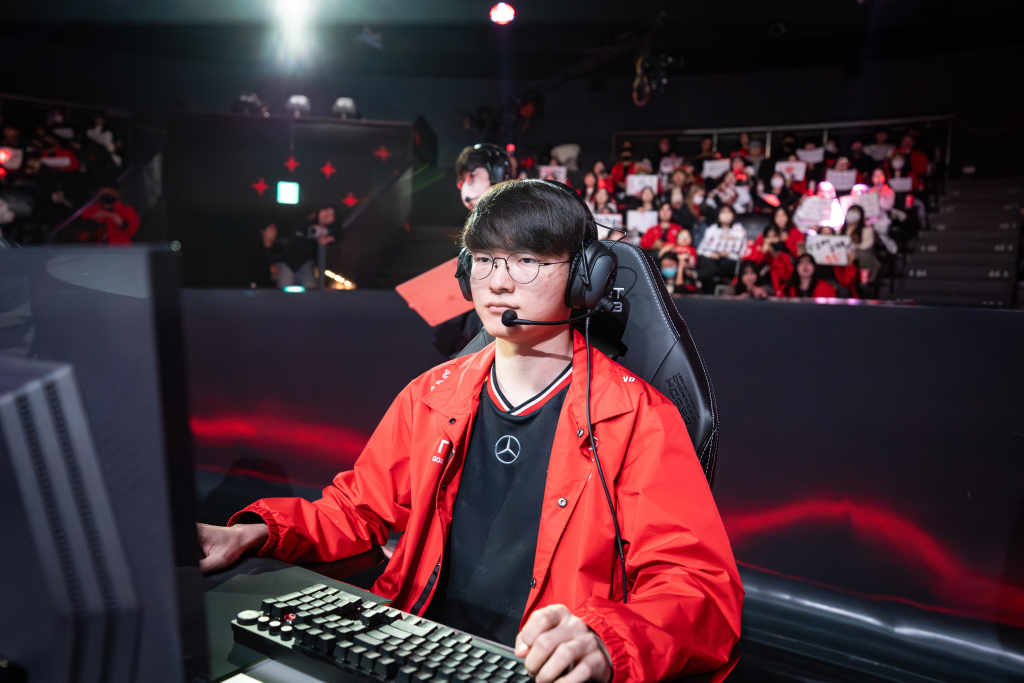
These three represent maybe 0.01% of all professional players. For context -there are roughly 10,000 ‘professional’ esports players worldwide, and fewer than 50 earn over $500K annually.
Win big or watch from home
Now for the glamorous part – prize money. Those massive headlines about $40 million prize pools? Let’s do the math.
The International 2023 had a $3 million prize pool. Sounds massive, but Team Spirit took home about $1.2 million… split five ways. That’s $240K each BEFORE taxes and org cuts. Not bad for two weeks of work, but remember – this is once a year, and only one team wins.

If we wanna talk about other Major Championships like Worlds, CS Majors etc. So, we can saw something like that:
- Winners: $100K-300K per player
- TOP-3: $30K-100K per player
- Most teams: Go home with $5K-20K per player or least
Here’s what they don’t tell you – to qualify for these big events, teams spend months in smaller tournaments earning $500-2000 per event, often not even covering travel expenses.
The situation is similar in League of Legends. If you are not a top ranked player, and especially if you are not from the Asian region, where the game has the largest audience, your income will be far from the dream checks with many zeros.
Brand deals, streaming & side hustles
Many Tier-1 pros earn more from content than competition. Shroud makes more in a month streaming than most pros earn in prize money all year. We’re talking $50K-200K monthly for top streamers.
Personal sponsors and streaming, or SMM give:
- Gaming peripheral deals: $5K-50K annually
- Energy drink partnerships: $10K-100K annually
- Clothing brands: $5K-30K annually
- YouTube integration: $2K-20K per video
- Twitch sponsorship streams: $5K-50K per stream
Some PROs have turned their setups into businesses. Custom keyboards, mouse pads, even ‘pro settings’ guides. It’s not uncommon for a popular pro to earn $20K-50K annually just from affiliate links and merchandise.
But here’s the catch -content creation takes time away from practice. Many pros struggle to balance both, and teams are increasingly restricting streaming hours during competitive seasons.
The legends who never left
But here’s what nobody talks about -what happens when the reflexes slow down and you can’t compete at the highest level anymore? For most RPOs, retirement means finding a regular job. But for the legends? Retirement might be even more profitable than their playing days.
KennyS
The AWP legend might not be dominating tournaments anymore, but his name alone is worth millions. Between streaming deals with platforms fighting for his signature, his G2-related content partnerships, and personal sponsorships with gaming companies who want the KennyS brand, he’s likely earning $300K-500K annually without the stress of competition.
PashaBiceps
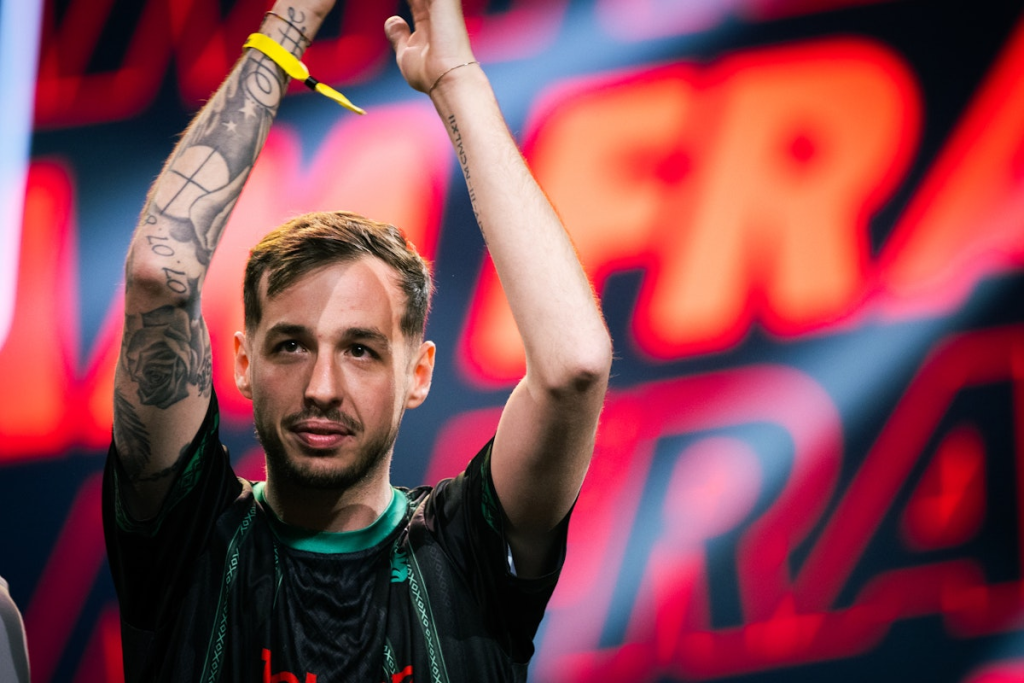
He is the perfect example of personality transcending skill. Years after his competitive peak, Pasha’s streaming career and content creation earn him more than most active pros. His authentic, family-friendly persona has landed him deals with major Polish brands, gaming peripherals companies, and his merchandise line. We’re talking $200K-400K annually, all because fans still love the Pasha brand.

Dendi
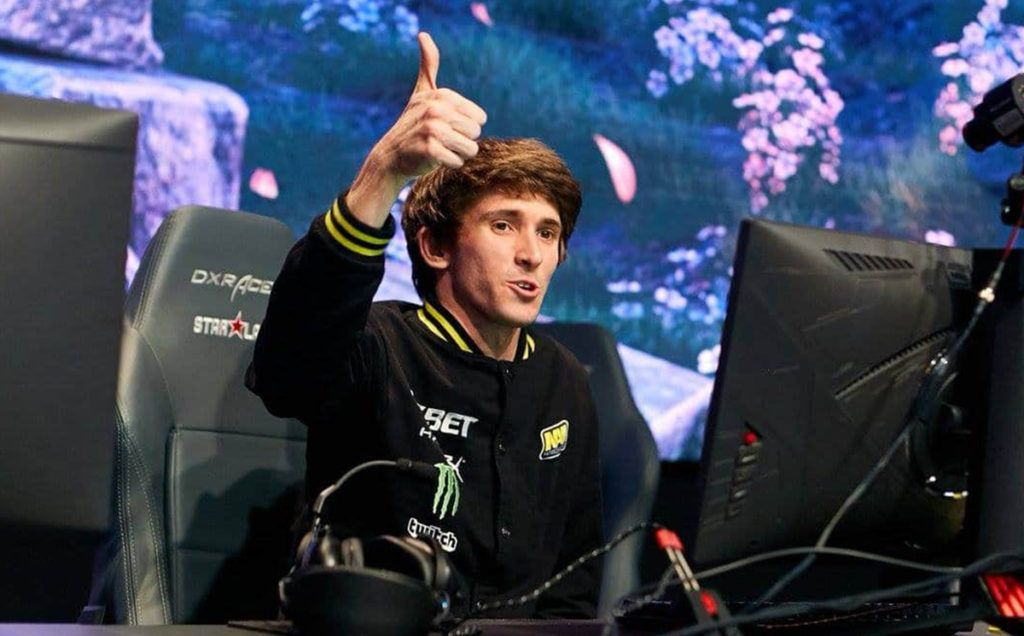
In Dota 2, he may be the best example to follow. The Ukrainian legend hasn’t won a major tournament in years, but his legacy continues to pay dividends. Streaming contracts, fees for appearances at events, content creation deals, and his own esports organization bring him a significant income even during a downturn in competition.
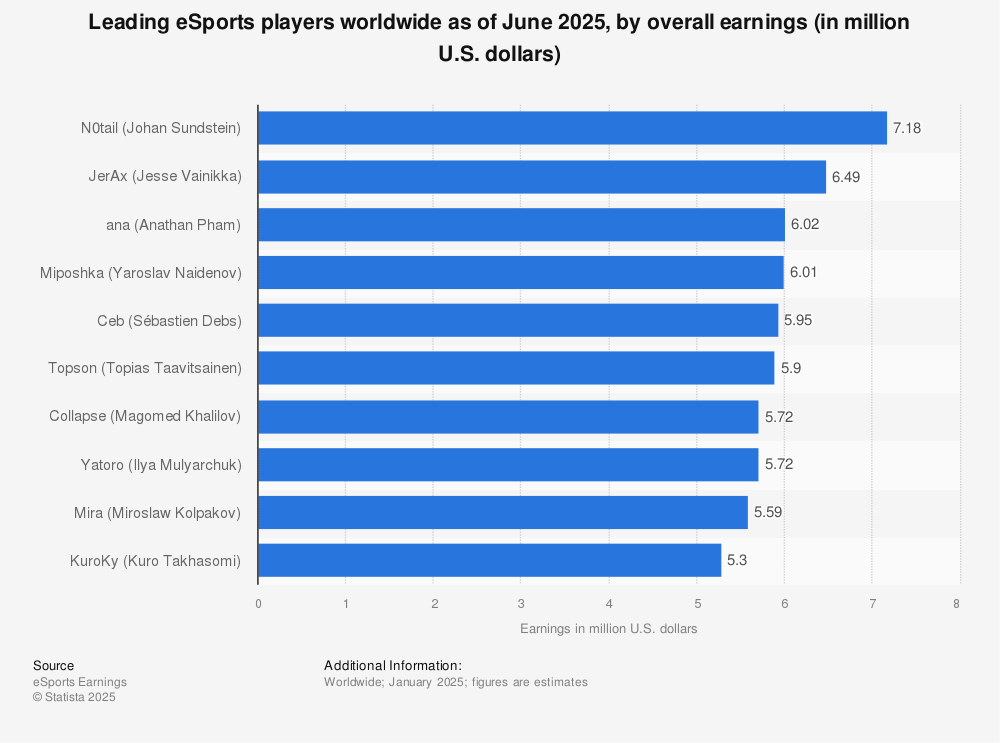
N0tail
N0tail took a different route – transitioning from player to owner and content creator. His stake in OG, combined with his streaming revenue and sponsorship deals leveraging his two-time TI winner status, likely generates more passive income than most active players earn grinding tournaments.

Bjergsen
From League of Legends, Bjergsen’s transition from player to coach to content creator shows another path. His TSM connections, streaming deals, and coaching salaries, combined with his massive fan following, probably earn him $400K-600K annually. His brand value in the NA scene remains incredibly high.

Imaqtpie
Even Imaqtpie, who retired from competitive LoL years ago, earns more than most current LCS players through pure content creation and streaming. His laid-back personality and consistent content output have built an empire worth potentially $100K+ annually.

ScreaM
In Valorant’s young scene, we’re already seeing this pattern emerge. ScreaM, the legendary CS player who transitioned to Valorant, leverages his cross-game reputation for massive streaming deals and sponsorships. His “one taps” brand follows him across games, earning him more than many active Valorant PROs.
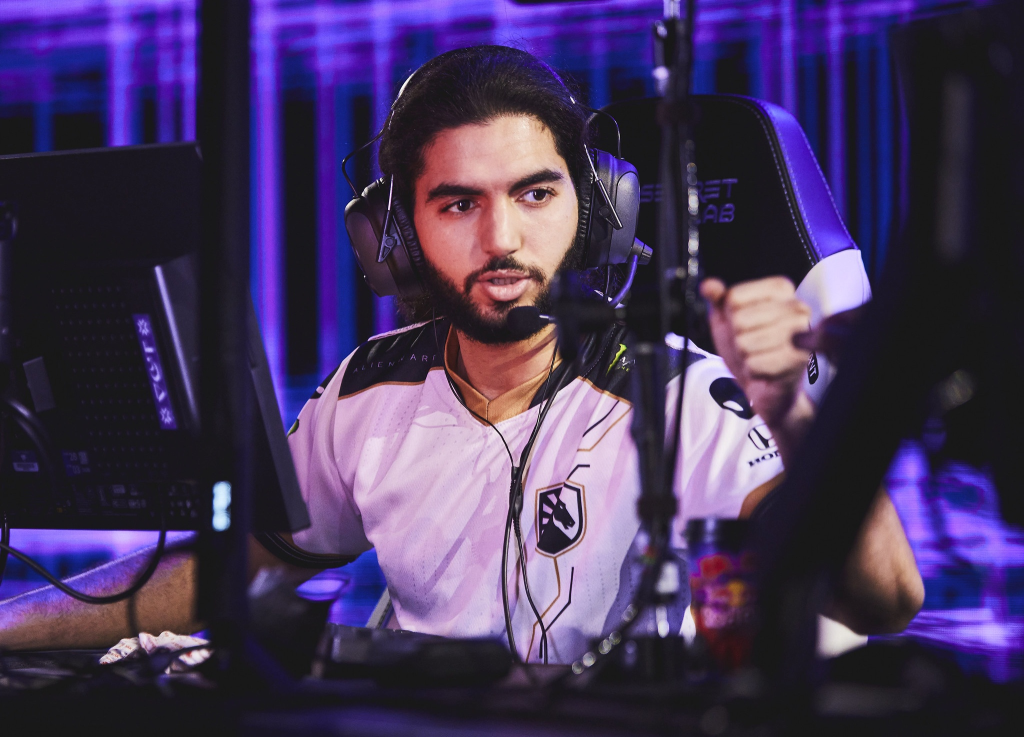
The key insight? Building a personal brand and fan loyalty can be more valuable long-term than tournament winnings. These retired legends prove that in esports, your name and personality can become your most valuable asset – one that keeps paying long after your mechanics fade.
Taxes, cuts & contracts
Most orgs take 10-50% of prize winnings, sometimes more for newer players. That $100K tournament win? Your org might keep $30K-50K.
- Agent fees: 10-20% of all earnings
- Manager cuts: 5-15% of salary and winnings
- Legal fees for contract negotiations: $5K-20K annually
International players face double taxation nightmares. A Korean player competing in the US might pay taxes in both countries. Some players end up paying 40-50% effective tax rates.
Want to switch teams? Buyout clauses can cost $50K-500K. Players often can’t afford to leave bad situations.
- Gaming house rent and utilities: $2K-5K monthly
- Equipment and maintenance: $3K-10K annually
- Travel not covered by orgs: $5K-20K annually
- Health insurance and medical: $3K-12K annually
Let’s say you’re a Tier-1 pro earning $300K annually:
- Taxes: -$90K-120K
- Org/agent cuts: $30K-60K
- Living expenses: $30K-50K
- Equipment/travel: $10K-20K
- Take home: $90K-140K
Conclusion
So how much do esports pros really make? The answer is: it depends entirely on where you rank, what game you play, and how smart you are about building your brand.
The top 1% live like celebrities, earning millions from salary, prizes, and content. The top 10% make solid six-figure incomes. Everyone else? They’re grinding like any other competitive profession, hoping to break through.
The esports dream is real, but like any professional sport, only a few reach the top. The difference is, in esports, your career window might only be 3-5 years, but your brand can pay dividends for decades.